Creative Writing
Rosa Egipcíaca, Afeto de Deus (Rosa Egipcíaca, God’s Affection)
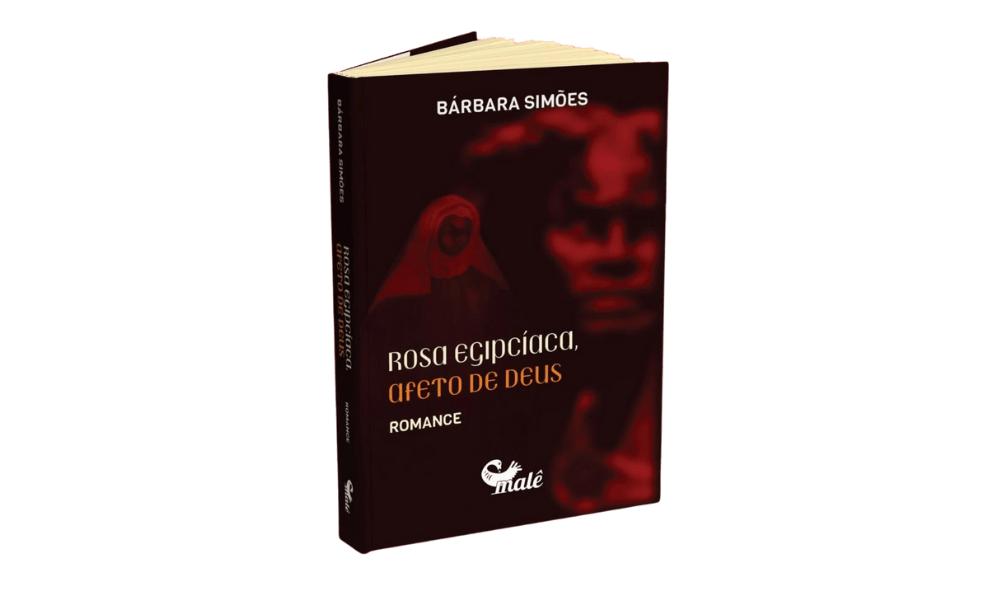
Buy Now: https://www.editoramale.com.br/product-page/rosa-egipc%C3%ADaca-afeito-de-deus
The novel tells the story of an African woman who was abused at the age of 12, became a prostitute but converted, becoming a target of worship by devotees, and friars of the high clergy. The book presents a version of Brazil that people don’t want to see, a version that they want to remain forgotten.
“I’m talking about Minas Gerais where slavery was very harsh, and the muleteers were opening up roads at the cost of the genocide of indigenous peoples. I’m also talking about women, all of them, and the colonial institutions that shaped our thinking. But, my book is not a book of History. It’s fiction. The reader can expect a version of our history that is incredibly intimate to all of us,” Bárbara Simões, author.
Constância Lima Duarte“After so many centuries of being silenced, female authors are finally breaking through the invisibility and taking their place of speech (lugar de fala), alongside a timely movement of publishers opening up to literature written by women.
Bárbara Simões, known in academic circles for the originality of her research and the contribution of her intellectual work – has just surprised us with yet another publication. Since developing the brilliant project Entre o romance e o periódico: memórias traumáticas em Maria Firmina dos Reis (Between the novel and the periodical: traumatic memories in Maria Firmina dos Reis), for the National Library’s National Research Support Program, she has been investigating women who remained hidden in old documents, revealing herself to be a sensitive writer who is adept at manipulating the poetic word.
The material, carefully mined from different primary sources, reaches the reader in the form of novelized biographies, such as Firmina (2019), the life story of the writer Maria Firmina dos Reis; Guinevere (2020), King Arthur’s queen and Lancelot’s passion; and now – ‘Rosa Egipcíaca, Afeto de Deus’, which tells us about the adventures and misadventures of the African Rosa Maria Egipcíaca, made a prostitute and turned into a saint, who, like Guinevere, also belongs to the imaginary present in the patriarchal heritage.
The merit of Bárbara Simões’ work (she has other publications, including children’s books) in my opinion, is quite frankly, an intimate and feminine tone that runs through each page and transports the reader to new dimensions of poetic construction, combined with certain images that prove the sophistication of her writing. Finally, Rosa Egipcíaca, Afeto de Deus represents a real contribution to the contemporary novel and also to the rescue of a character who has been erased from our colonial history.”
Firmina
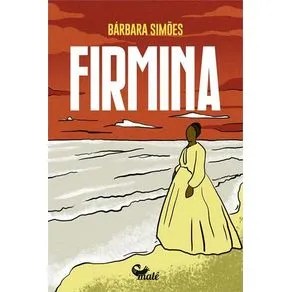
Buy Now: https://www.editoramale.com.br/product-page/firmina
Her novel “Firmina” was written in 2016, in a year of intense political conflict in Brazil. This context is illustrated in the text which takes us back to the 19th century, while at the same time, reflecting on the author’s time period. “Firmina” is a historical novel that fictionalizes the life of the first black woman to write an abolitionist novel in the Americas, Maria Firmina dos Reis, from Maranhão, in Brazil. The idea for the novel was born from Barbara Simões’s research work of 2012, when she was awarded a PNAP scholarship and appointed as a researcher at the National Library. For the next two years, Barbara mapped the newspapers of the Maranhão writer’s time (1830 – 1917) and, during the research process, the idea for the novel emerged. “Firmina” is a story about “what was and what could have been”. The author fills the gaps in Firmina’s biography with fictional episodes. The narrative cuts through moments in the life of the writer from Maranhão, and portrays the years before the abolition of slavery in Brazil in a critical yet poetic way. The journalists, the farmers, intellectuals of the time, as well as records of uprisings, revolts and all kinds of newspaper reports that were written during “Firmina“‘s time, make up the curious, and imagined scenario in a necessary historical novel.
“Precisely reconstructing the social and psychological setting that underpins and shapes the mimetic universe inhabited by the characters, and proposing a complex plot with a typically romantic bias, Bárbara offers us a compelling story that prompts reflection. By portraying the dilemmas and internal conflicts experienced by the protagonist, a young black teacher engaged in the abolitionist struggle who falls in love with a white congressman advocating for the maintenance of the slave system, the author explores the human dimension of Maria Firmina dos Reis. This approach steers clear of the mythic and deifying perspectives often attributed to her figure. At the same time, the work inserts itself within a little-known tradition in Brazil, and one seldom explored by specialized critics, which consists of anti-slavery novels published in the post-abolition period.”
Rafael Balseiro
“Imagine a woman, daughter of a black mother and a white landowner father, whose name she did not inherit. Imagine this woman living in the 19th century, in slaveholding and patriarchal Brazil, in the province of Maranhão. Picture her holding a tenured teaching position in a public school in a rural area. Now, go further and imagine that this woman is a recognized writer among her contemporaries. For this woman is Maria Firmina dos Reis, the first Black Brazilian novelist. She is not a product of my or your imagination, nor even of the author’s imagination.
Deborah Dornellas
In this smoothly written book, Bárbara Simões Daibert, a scholar of Maria Firmina’s work and biography, breathes life into her and poses existential, political, social, and identity questions that bring her closer to us and to our times. Here, Firmina has a voice; she speaks, reflects, loves, cries, smiles, moves, and yet, she seems to feel somewhat displaced. Here, she confronts men with political views opposite to hers and engages in pressing causes of her time, such as the abolitionist movement. Through this surprising historical fiction, Firmina emerges as a fully realized character in a novel, beyond her name and undeniable relevance to Brazilian literature.”
Guinevere
Buy Now: https://www.editorapenalux.com.br/loja/guinevere
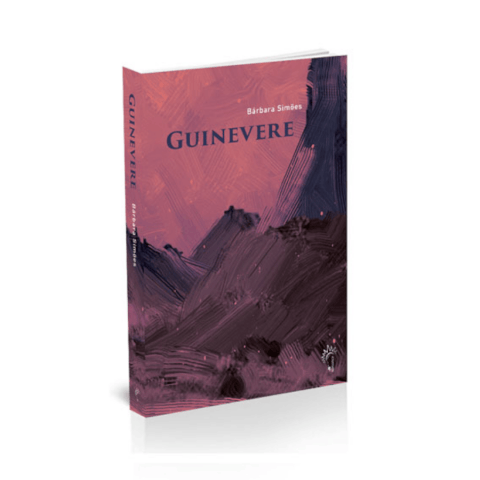
“Guinevere” is the fruit of years of research into the Arthurian legends and the history of England’s formation. The novel, published by Penalux, takes a new look at the Arthurian legends, as it is narrated in the first person by the adulterous Queen Guinevere, who’s character is divided into three personas: her elderly version, nun Ursula, her present version Guinevere the Queen, and her native version, with a Celtic name, Findabair (before her meeting with Arthur). The work questions the construction of the Western canon from a male point of view, and raises another important existential question, that comes together with a reflection on the end of empires and the restarting of others, and the times of wars, with intervals of peace, in which humanity has lived and recorded their stories.
“These are reunion pages. From the first page, “Guinevere” embodies a bit of each of us. Forget the distant lady, the character whose courtesan silhouette, the eyes of imagination can barely grasp, in a very masculine story. Through the hands of Bárbara Simões, we are given the opportunity to accompany the queen up close, to share the intimacy of this indomitable survivor. And when we let ourselves be guided, we find a bit of ourselves in this unforgettable brown-eyed mist-woman. Subtly, Guinevere emerges as a mirror of souls, reflecting the courage of the lonely, the resilience of those who lose their beloved, the competing loves that fights within us, and the silent eagerness of those who find fidelity for themselves in the betrayal of others. But these are also discovery pages. We traverse the fantastic expanse in Britain Camelot, a land of fractured worlds, where the once powerful Romans were becoming history, the dust of the centuries, and the new present takes on the threatening aspect of the bloody Saxon axes. Through this rift in time, we discover Arthur and Lancelot’s battles, fought amid mead, madness, shouts, blood, and gods; the magic of Morgana and Merlin; the palace intrigues that, sealing the fate of Dumnonia, leaves us breathless. With an intimate narrative; skillfully intertwining the different stages of her character’s life, Bárbara Simões offers us the chance for an engaging read, an immersive experience in the story of one of literature’s most famous queens.”
Leandro Rust
Children’s books
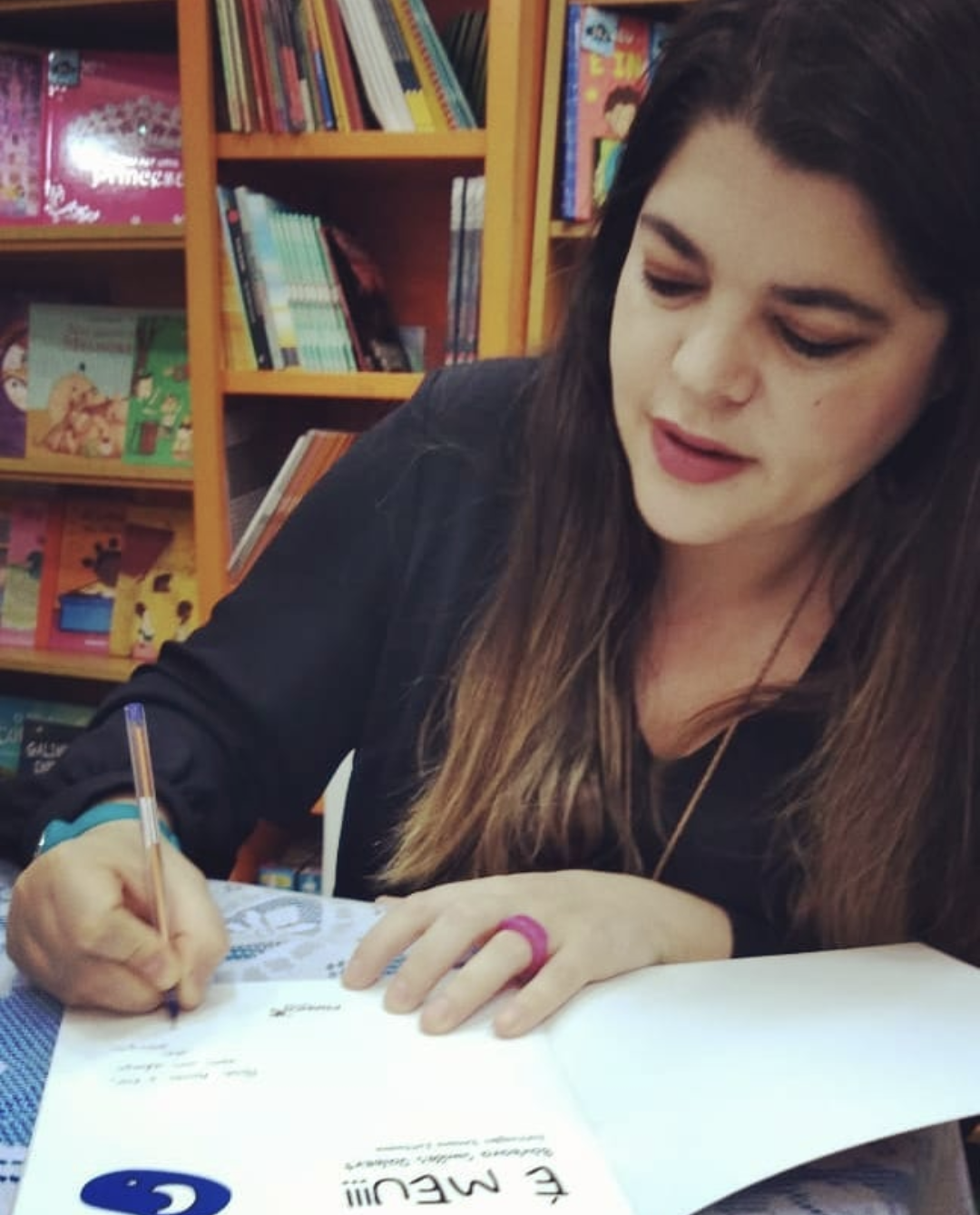
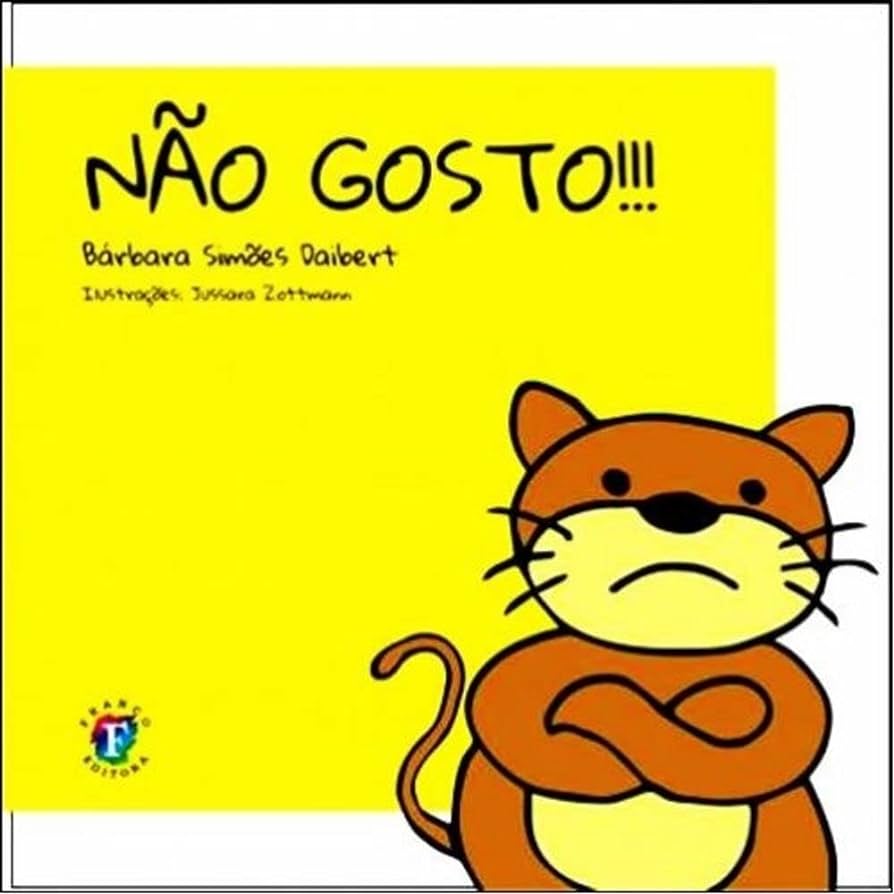
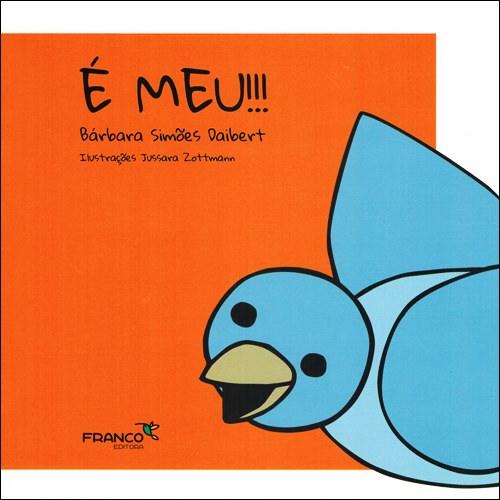
Bárbara Simões began her creative writing career with the collection of books “Travessuras”, at the Franco publishing house in Juiz de Fora. The stories were inspired by situations and stories from her daily life with her three children, and episodes from her first job as a pre-school teacher. From the same collection, one of the children’s books was translated into English under the title “I don’t like it”. The third book in the collection, “É meu” (It’s mine), was chosen by the João Pessoa city council in Brazil as one of the essential books for pre-school children. The children’s book that was translated into English, has been widely used in ESL schools in multiple cities throughout Brazil.


Buy Now:
E eu, não?!
http://www.francoeditora.com.br/pd-529719-e-eu-nao.html
Não gosto!!
http://www.francoeditora.com.br/pd-529bcc-nao-gosto.html
I don’t like it!!
http://www.francoeditora.com.br/pd-84a127-i-don-t-like-it.html

